T-01 · Research team
Cellular & Molecular Immunology Team
Understanding immune biology to develop next-generation immunotherapies.
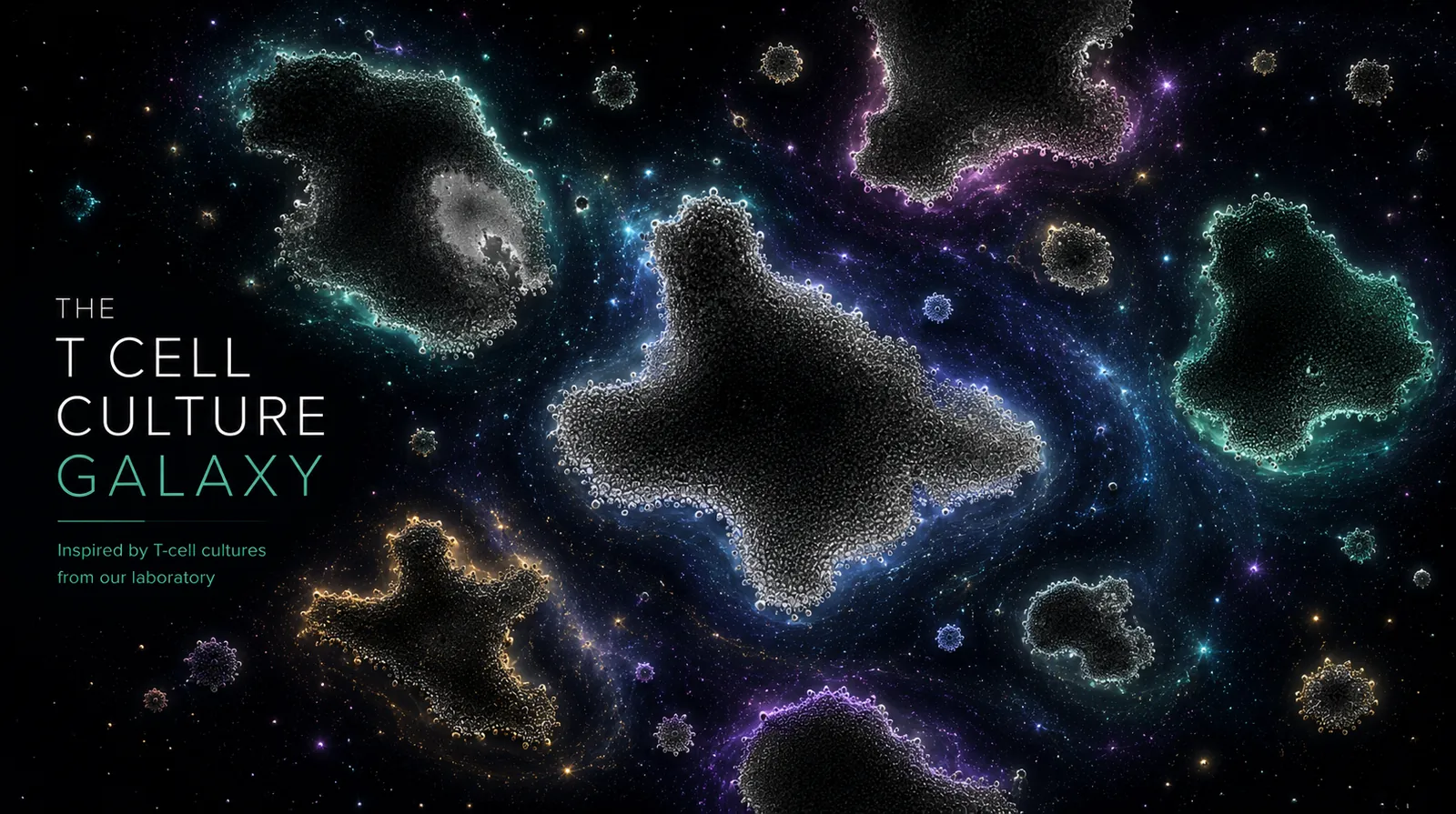
Purpose
Our Cellular and Molecular Immunology Team (CMIT) is a passionate group of scientists dedicated to advancing our understanding of immune biology and translating scientific discoveries into innovative therapies that improve the lives of patients with cancer and other immune-related diseases.
Why this research matters
The immune system must respond effectively to threats while remaining tightly controlled. Disruption of this balance can contribute to cancer, autoimmunity and immunodeficiencies, making the mechanisms that regulate immune function important both for understanding disease and for developing better ways to intervene therapeutically.
Life at CMIT
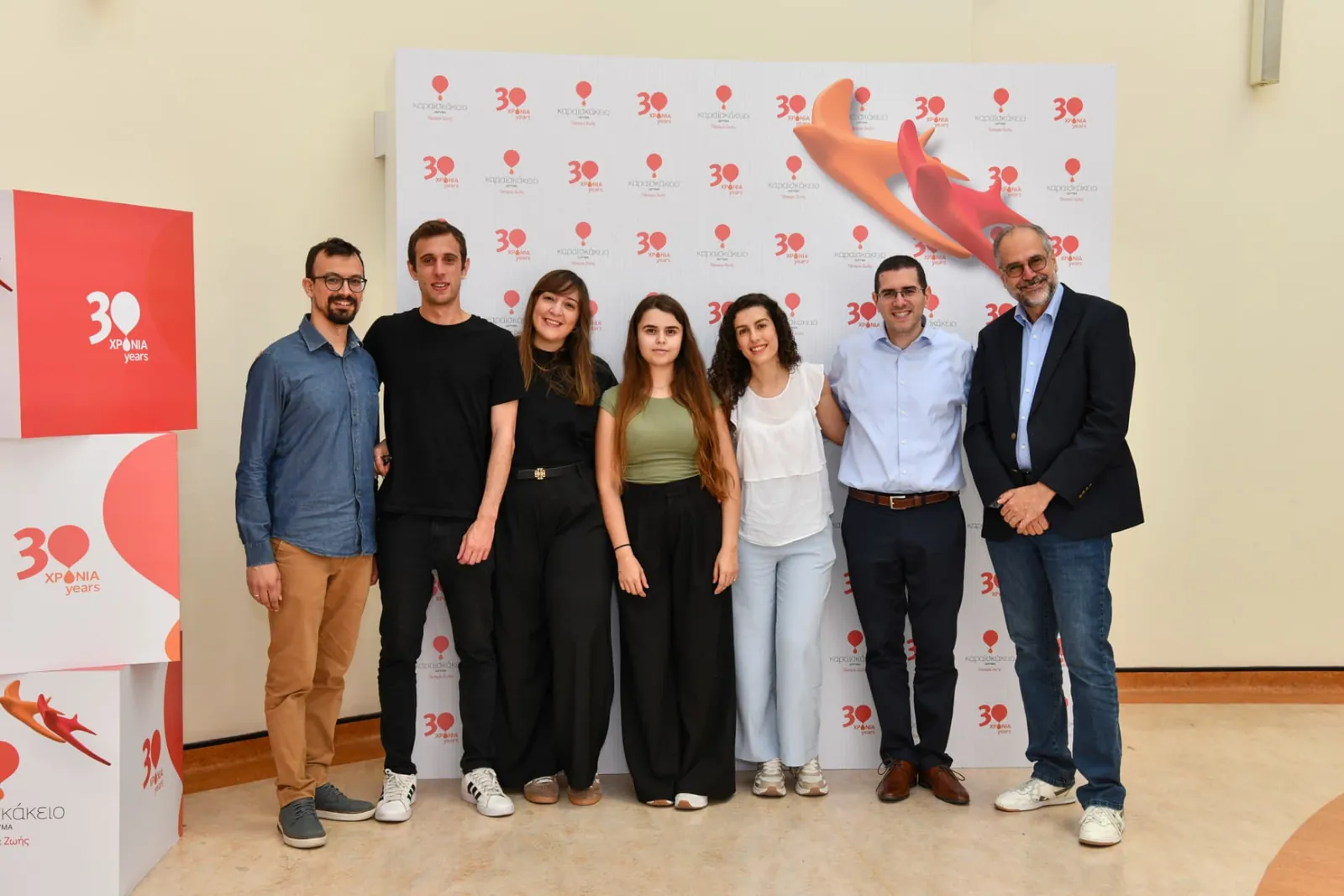
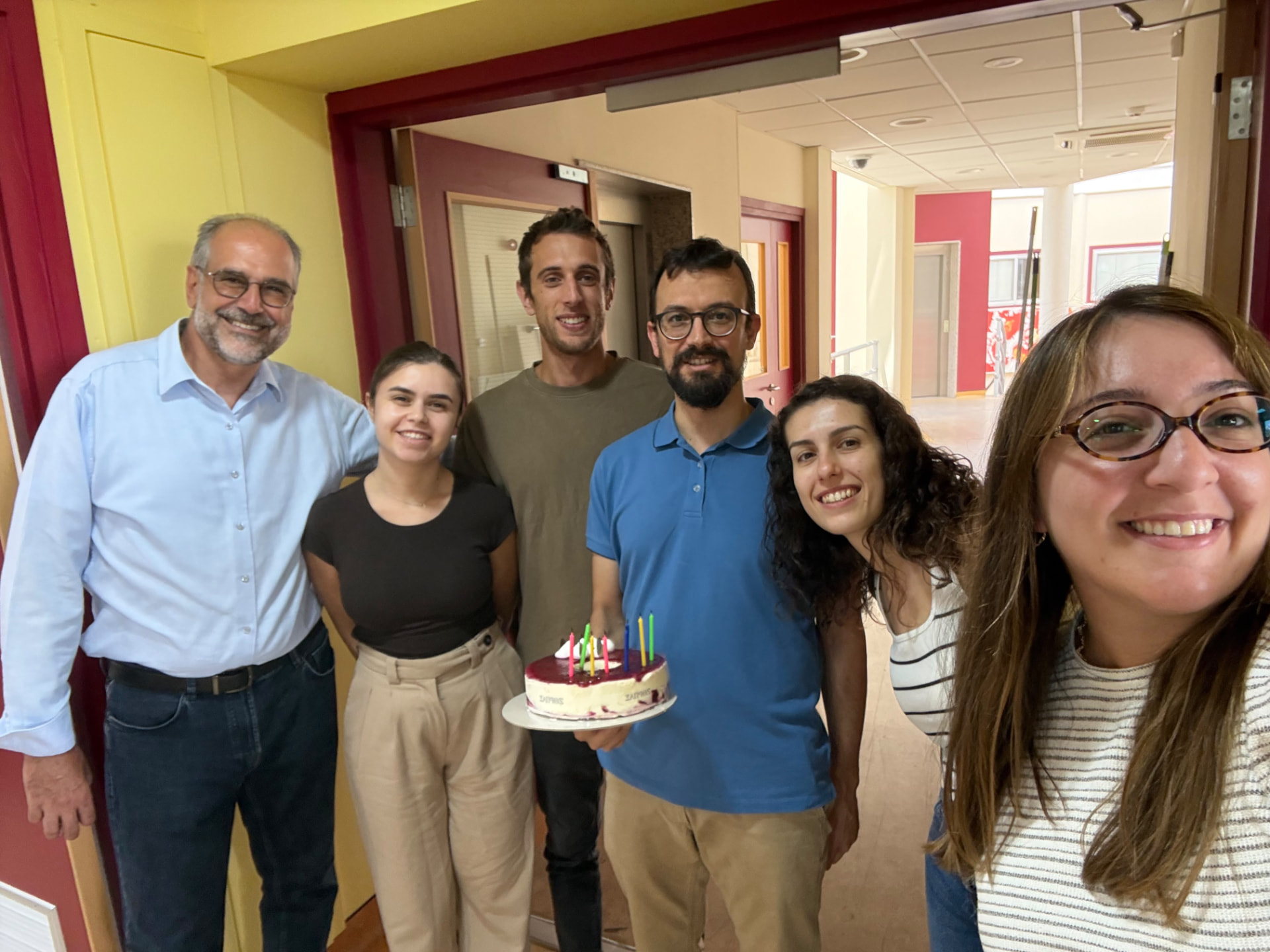
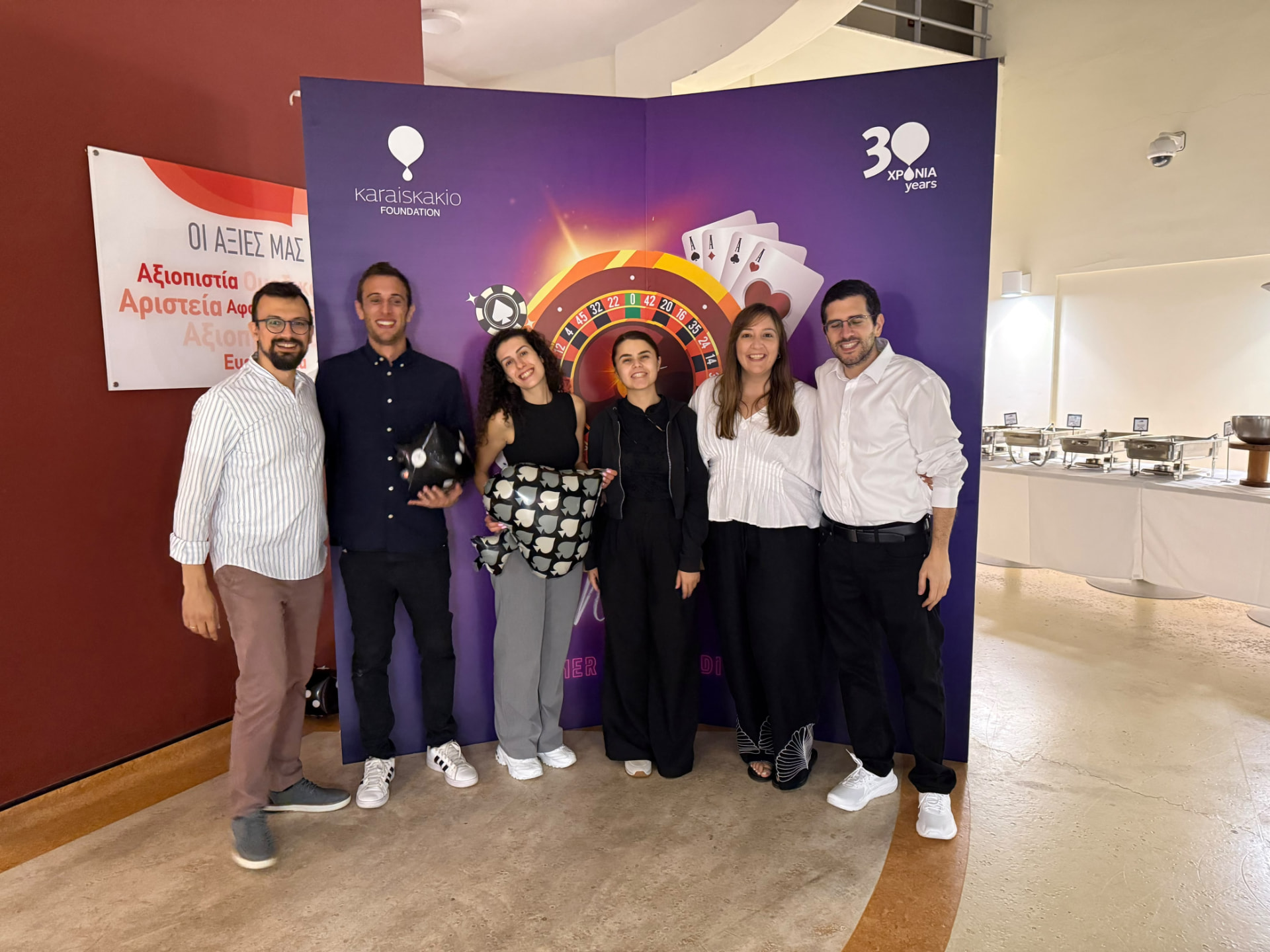
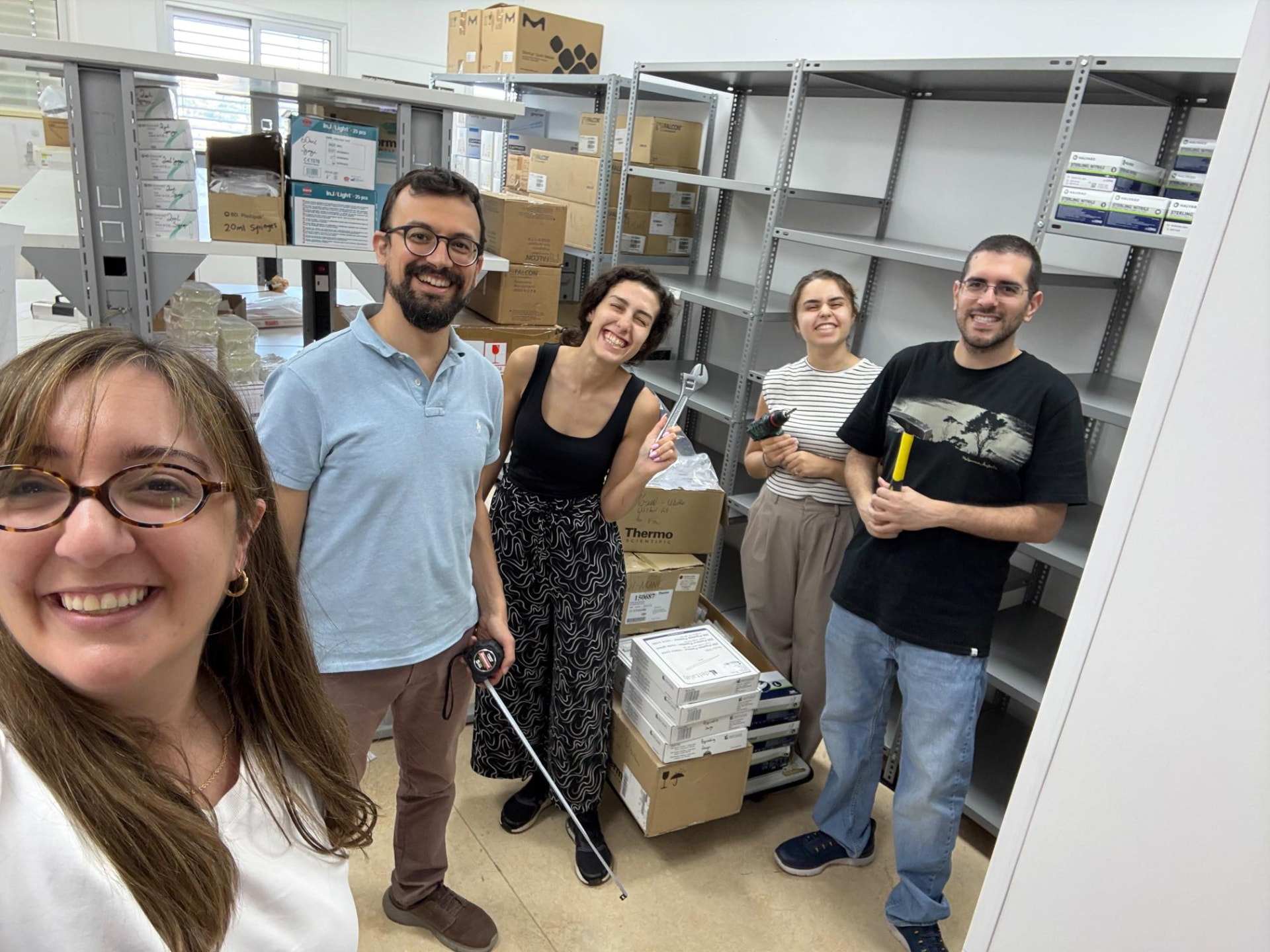
At CMIT, we believe that impactful science is built on curiosity, collaboration and mutual support. We strive to create an environment where every member of the team is encouraged to think independently, contribute ideas and grow as a scientist. Whether in the laboratory, at scientific meetings or during everyday discussions, we see research as a shared journey driven by teamwork, mentorship and a passion for discovery.
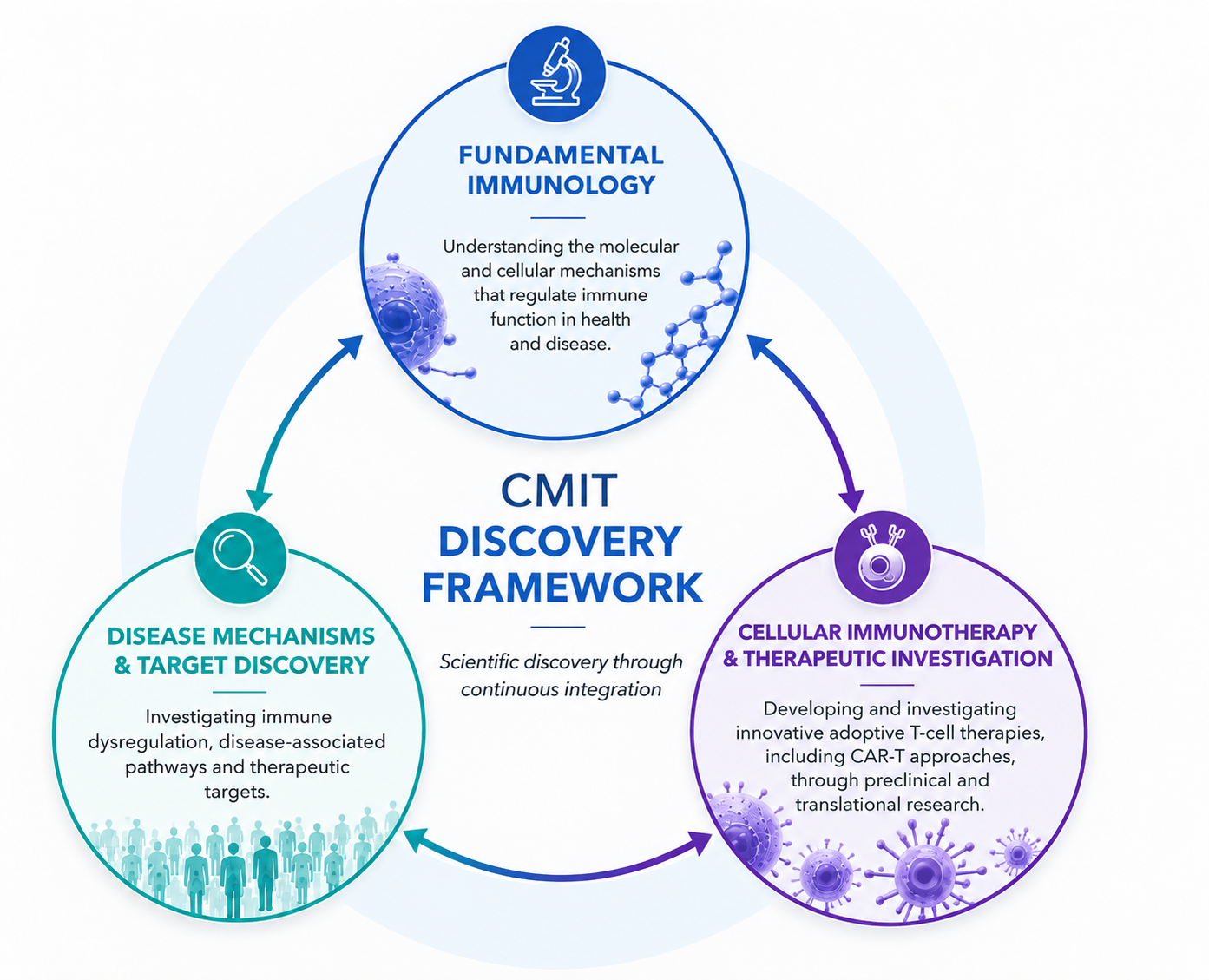
How we do Science
At CMIT, discoveries can emerge from any direction. By integrating fundamental immunology, disease understanding and therapeutic investigation, we advance knowledge and develop innovative immunotherapies that have the potential to improve patients' lives.
Research Focus Areas
Research Methods & Technologies
The team combines complementary cellular, molecular, genomic and preclinical approaches that directly support its research programmes, from fundamental immunobiology to therapeutic investigation.
- 01
High-dimensional cellular profiling using spectral flow cytometry and single-cell RNA sequencing (scRNA-seq).
- 02
Low- to intermediate-dimensional cellular analysis using conventional flow cytometry.
- 03
Bulk transcriptomic profiling using bulk RNA sequencing (bulk RNA-seq).
- 04
Live-cell imaging of cultured-cell assays to investigate cellular proliferation, migration and division.
- 05
Cellular bioengineering, including mRNA transfection for gene overexpression and CRISPR-Cas9 gene knockout using RNP-based approaches.
- 06
Viral approaches for genetic modification of cells, including CRISPR-Cas9 knockout.
- 07
Genome-wide CRISPR-Cas9 knockout screening in mouse and human cells.
- 08
In vivo mouse models of disease for investigating disease processes and therapeutic efficacy.
Research across KRI
The CMIT team is intentionally connected to complementary KRI research programmes. Natural interfaces include:
Advanced Diagnostics & Genomics
Genomic and molecular investigation of immune-related biology, biomarkers and research questions requiring integration of immunological and genomic information.
Cellular & Molecular Pathology
Tumour-immune interactions, cellular phenotype and function, biomarker and therapeutic target discovery, and research connecting immune biology with cellular and tissue context.
Immunogenetics & Transplantation Immunology
Immune-cell biology, immune profiling and research questions connecting immunological mechanisms with immunogenetics, transplantation and post-transplant immune dynamics.
Publications
Selected outputs
- Endothelin receptor blockade potentiates adoptive T cell and CAR T cell therapies
Papagregoriou C, Mpekris F, Yoon J, Kastrappis G, Lytridou AA, Thrasyvoulou M, Symeonidis K, Pitsillidou C, Neophytou C, Panagi M, Voutouri C, Iakovou M, Gregoriou G, Stylianopoulos T, Maciocia P, Costeas P, Demetriou P.
bioRxiv. 2026. doi: 10.64898/2026.09.02.748239.
- CD2 costimulation strength: A key regulator of T cell function and anti-tumor immunity that is epigenetically regulated
Demetriou P, Iakovou M, Gregoriou G, Vrachnos D, Chi J, Tamamouna V, Stavrou G, Constantinou S, Papanastasiou V, Antoniades A, Costeas P.
iScience. 2025 Nov 10;28(12):113977. doi: 10.1016/j.isci.2025.113977. PMID: 41377664; PMCID: PMC12688680.
- Polymeric micelles effectively reprogram the tumor microenvironment to potentiate nano-immunotherapy in mouse breast cancer models.
Panagi M, Mpekris F, Chen P, Voutouri C, Nakagawa Y, Martin JD, Hiroi T, Hashimoto H, Demetriou P, Pierides C, Samuel R, Stylianou A, Michael C, Fukushima S, Georgiou P, Papageorgis P, Papaphilippou PC, Koumas L, Costeas P, Ishii G, Kojima M, Kataoka K, Cabral H, Stylianopoulos T.
Nat Commun. 2022 Nov 22;13(1):7165. doi: 10.1038/s41467-022-34744-1. PMID: 36418896; PMCID: PMC9684407.
- Normalizing the Microenvironment Overcomes Vessel Compression and Resistance to Nano-immunotherapy in Breast Cancer Lung Metastasis.
Mpekris F, Panagi M, Voutouri C, Martin JD, Samuel R, Takahashi S, Gotohda N, Suzuki T, Papageorgis P, Demetriou P, Pierides C, Koumas L, Costeas P, Kojima M, Ishii G, Constantinidou A, Kataoka K, Cabral H, Stylianopoulos T.
Adv Sci (Weinh). 2020 Dec 13;8(3):2001917. doi: 10.1002/advs.202001917. PMID: 33552852; PMCID: PMC7856901.
- TGF-beta inhibition combined with cytotoxic nanomedicine normalizes triple negative breast cancer microenvironment towards anti-tumor immunity.
Panagi M, Voutouri C, Mpekris F, Papageorgis P, Martin MR, Martin JD, Demetriou P, Pierides C, Polydorou C, Stylianou A, Louca M, Koumas L, Costeas P, Kataoka K, Cabral H, Stylianopoulos T.
Theranostics. 2020 Jan 12;10(4):1910-1922. doi: 10.7150/thno.36936. PMID: 32042344; PMCID: PMC6993226.
Collaborators
 Dr Paul MaciocaUCL Cancer Institute
 Dr Evros KitirisBreast Center of Cyprus
 Dr Vakis Papanastasiou & Dr Stavros ConstantinouBrain Clinic, Areteio Hospital
 Dr Ioannis DimitriouCyprus Cancer Research Institute (CCRI)
 Dr Athos AntoniadesStremble
 Dr Alexandros SpyridonidisUniversity of Patras
 Dr Panos PapagiorgisEuropean University of Cyprus
- Dr Marianna ChristodoulouEuropean University of Cyprus
 Dr Triantafyllos StylianopoulosCancer Biophysics Lab, University of Cyprus
 Dr Fotios MpekrisCyprus Institute of Neurology & Genetics (CING)
 Dr Haris CharalambousBank of Cyprus Oncology Centre (BOCOC)
Collaborate with us
We welcome research partnerships involving fundamental immunobiology, immune dysregulation in disease, cellular immunotherapy and translational immunology.
Explore partnershipsJoin the team
We are always interested in hearing from motivated students, clinicians and researchers who are passionate about immunology and translational research.